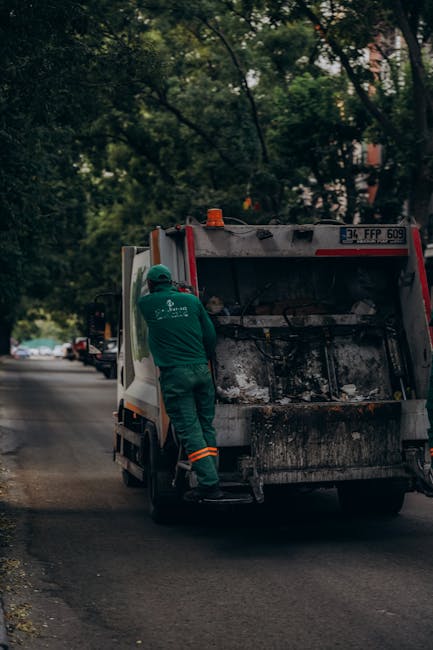
Avoid hidden charges with Surbiton rubbish removal quotes
If you have ever looked at a rubbish removal quote and thought, "That seems fine... but what's the catch?", you are not alone. Hidden charges are one of the quickest ways to turn a simple clearance job into a frustrating one. The good news is that Avoid hidden charges with Surbiton rubbish removal quotes is not about becoming suspicious of every provider. It is about knowing what a proper quote should include, what can push the price up, and how to compare options without getting caught out on the day.
Whether you are clearing a flat, a garden, a loft, or a full house, the same principle applies: the more clearly you define the job at the start, the fewer surprises you get later. In this guide, we will break down how quoting works, the warning signs to watch for, and the practical questions that help you keep control of the cost. Fairly straightforward, really. But it does save headaches.
Contents
- Why this matters
- How rubbish removal quotes work
- Key benefits and practical advantages
- Who this is for and when it makes sense
- Step-by-step guidance
- Expert tips for better results
- Common mistakes to avoid
- Tools, resources and recommendations
- Law, compliance, standards and best practice
- Options and comparison table
- Case study or real-world example
- Practical checklist
- Conclusion
- Frequently asked questions
Why Avoid hidden charges with Surbiton rubbish removal quotes Matters
Hidden charges usually appear when the original quote was too vague. That could mean the price was based on an estimate rather than a true assessment, or that the quote left out things like lifting from awkward access, heavier waste, or specialist disposal needs. Once the team arrives and sees the actual job, the price changes. Sometimes that is fair enough. Sometimes it is not.
In practical terms, this matters because waste removal is often arranged at a stressful moment. You may be moving home, handling a bereavement, finishing a refurbishment, or finally tackling a room that has been quietly collecting "stuff" for years. You do not need a pricing surprise on top of that.
A clear quote helps you:
- budget properly before the work starts
- compare providers on like-for-like terms
- avoid disputes at the kerbside or doorway
- understand what is included and what is not
- plan whether full clearance, partial clearance, or a different service makes more sense
It also creates trust. A company that explains pricing clearly is usually easier to deal with across the whole job, from the first call through to collection. That simple, almost boring bit of clarity? It matters more than people think.
How Avoid hidden charges with Surbiton rubbish removal quotes Works
Good rubbish removal quotes are based on a few core variables: volume, weight, type of waste, access, labour, and disposal route. The quote should tell you how the company has arrived at the price, not just give you a number and hope you accept it.
Here is the basic flow most reliable services follow:
- You describe the waste clearly. Photos help, but they should be recent and show the full load.
- The provider checks the job details. They may ask about stairs, parking, distance to the vehicle, or whether items are bulky.
- A price is given with assumptions explained. This is the part that stops confusion later.
- On arrival, the crew confirms the load. If anything is different from the description, they should explain the reason before proceeding.
- The collection happens and paperwork is completed if needed. For example, you may want confirmation that waste was handled responsibly.
The key point is that a quote is only as good as the information behind it. If you say "just a few bits," but the job is actually a load of broken wardrobes, a sofa, three bags of rubble, and an old fridge, the quote will not stay accurate for long. And quite right too.
For larger or mixed jobs, it can help to explore relevant service pages in advance, such as house clearance, loft clearance, or office clearance, because the type of clearance often affects what is included in the quote. If the job is more general, waste removal is a useful place to start.
Key Benefits and Practical Advantages
The obvious benefit is saving money. But the real value is broader than that. A transparent quote gives you a clearer decision and a calmer day.
- No awkward surprises: you know the likely total before the team arrives.
- Better comparison: you can judge whether a lower price is actually cheaper, or just less honest.
- Faster booking: when details are clear, scheduling is usually smoother.
- Less stress: there is no pressure to renegotiate while standing in a hallway with a sofa blocking the stairs.
- More suitable service choice: you can decide whether you need a full clearance, a specific item disposal service, or something more specialised.
Another practical benefit is that a good quote helps you spot whether a company is using the right disposal method. For instance, if you have a mix of furniture and appliances, the job may need separate handling. Services such as furniture disposal, fridge and appliance removal, or mattress and sofa disposal can be more appropriate than a generic collection.
Expert summary: the cheapest quote is not always the best quote. The best quote is the one that tells you what is included, what could change, and why.
Who This Is For and When It Makes Sense
This approach is useful for almost anyone booking rubbish clearance in Surbiton or nearby. But it is especially helpful if your job is not a simple one-bag pickup.
You will benefit most if you are:
- clearing a home before or after a move
- emptying a rented flat and need predictable costs
- dealing with old furniture or bulky household items
- sorting out garage clutter, loft junk, or garden waste
- managing office waste or commercial clearances
- completing a builders' project and want the final bill to stay under control
It also makes sense if you have items that are awkward, heavy, or a bit messy. Think broken wardrobes, soggy carpet offcuts after a leak, garden cuttings in heavy bags, or a fridge that nobody wants to wrestle down the stairs. That's the sort of job where a vague quote can become an expensive one.
For businesses, predictability matters even more. A clear quote helps with planning, waste budgets, and internal approval. If you are handling commercial waste, you may want to read more about business waste removal and, where documents are involved, confidential shredding.
Step-by-Step Guidance
If you want to avoid hidden charges, the safest route is to treat the quote like a short briefing, not a casual estimate. Here is a sensible process.
- List everything that needs removing. Include big items, bags, loose waste, and anything stored in cupboards, lofts, sheds, or garages.
- Take honest photos. Wide shots are better than one close-up photo. Show access points too: stairs, hallways, side passages, parking restrictions, and garden gates.
- Ask what the quote includes. Labour, loading, transport, disposal fees, and VAT if applicable should all be clear.
- Check for exclusions. Some materials may need special handling, extra labour, or separate pricing.
- Confirm the access conditions. If the team has to carry waste a long way, or if parking is awkward, that can affect the final cost.
- Ask what happens if the load is different on arrival. A fair provider will explain how changes are priced before work starts.
- Get the quote in writing where possible. Even a clear email is better than relying on memory. Memory, let's face it, has a funny way of forgetting the important bits.
If you are unsure how much can safely go into a load or what counts as acceptable mixed waste, the page on what can go in a skip can be a helpful reference point, even if you are not hiring a skip. It gives you a useful sense of what is usually straightforward and what may need special treatment.
For planned bookings, it can also be worth checking pricing and quotes before you decide. That way you can understand how the company presents costs and what level of detail you should expect.
Expert Tips for Better Results
There are a few small habits that make a big difference. None of them are fancy. But they work.
- Describe the worst-case version of the job, not the best-case version. If a wardrobe is partly dismantled, say so. If the waste is in a loft with narrow stairs, mention it.
- Separate easy items from awkward ones. A pile of cardboard is one thing. A pile of cardboard plus a heavy sofa and an old freezer is another.
- Ask whether the price is based on space, weight, or item count. Different companies price differently, and that changes how quotes compare.
- Be honest about access. A ground-floor flat with parking outside is very different from a third-floor flat with no lift.
- Check whether recycling or reuse is part of the service. It does not always lower the price, but it is a good sign that the provider has a proper process. See also recycling and sustainability.
One small real-world observation: the quote that looks the neatest on paper is not always the easiest one in practice. If the company asks sensible questions, that is usually a good sign. A little detail now saves a lot of muttering later.
For particularly bulky furnishings, the correct specialist page can be worth a look, such as furniture clearance or flat clearance, depending on the kind of property and the amount of furniture involved.
Common Mistakes to Avoid
Most quote problems come from one of a handful of avoidable mistakes. Nothing dramatic. Just the usual things people do when they are busy, rushed, or trying not to think about the pile in the corner.
- Using old photos. If the waste has grown since then, the quote will drift.
- Leaving out access details. Long carries, stairs, and parking restrictions matter.
- Assuming all waste is priced the same. Heavy construction waste, appliances, and mixed loads can be handled differently.
- Not asking about extra labour. Disassembly or clearing from multiple rooms may affect the cost.
- Ignoring the written terms. The quote should align with the service terms. It sounds obvious, but people skip this part all the time.
- Choosing only on price. A suspiciously cheap quote can become expensive once extras are added.
Another common mistake is forgetting that not every item belongs in a standard clearance. If you are dealing with builders' rubble, renovation offcuts, or mixed construction debris, builders waste clearance may be a better fit. For certain items, such as a broken appliance, separate handling can matter more than the headline price.
And a gentle warning: if the company refuses to explain the price, that is usually the explanation. Not ideal, is it?
Tools, Resources and Recommendations
You do not need specialist software to compare quotes well. A simple, organised approach is enough.
- Photo checklist: room-wide photos, access photos, close-ups of bulky items, and any items you are unsure about.
- Simple inventory: a written list of the items or waste types, even if it is rough.
- Measurements: width of tight hallways, stair turns, or gate openings if access is tricky.
- Booking notes: keep a short record of the quote, what was included, and any caveats.
In many cases, the best recommendation is to compare the quote against the specific type of service you actually need. A large mixed home clearance is not the same as removing one mattress, one fridge, or a few bags of garden waste. If the job is very specific, specialised pages such as garden clearance, garage clearance, or home clearance can help you frame the job properly.
For customers who prefer to plan and book in one go, book online may be the simplest next step. If you want to understand the provider's wider approach, the about us page is also useful for getting a feel for how the company works.
Law, Compliance, Standards, and Best Practice
Waste removal is not just about lifting and loading. There are compliance and duty-of-care expectations too, especially when waste leaves your property and enters a collection chain. In the UK, customers should expect waste to be handled responsibly, and reputable providers should be able to explain how they manage disposal, segregation, and safety.
You do not need to become a compliance specialist yourself, but you should look for a few common-sense signs of professionalism:
- clear, accurate pricing terms
- appropriate handling of different waste types
- safe loading practices
- reasonable insurance and operational standards
- plain-English explanations rather than evasive wording
For items with a higher risk profile, best practice becomes even more important. Hazardous or difficult materials should never be treated casually. If your job involves solvents, sharp materials, contaminated items, or anything that raises a safety concern, it is sensible to review hazardous waste disposal and ask questions before booking.
It is also wise to check the company's approach to safety and payments. A trustworthy provider should make it easy to understand what happens on site and how transactions are handled. Relevant pages like health and safety policy, insurance and safety, and payment and security can help reassure you before you proceed.
Options, Methods, or Comparison Table
Different clearance methods suit different situations. Comparing them side by side helps you avoid paying for a service that is bigger, slower, or more expensive than you actually need.
| Option | Best for | Watch out for | Hidden-charge risk |
|---|---|---|---|
| Full rubbish removal quote | Mixed waste, multiple rooms, bulky items | Access, labour, special items | Medium if details are vague |
| Item-based collection | One or a few large items | Stairs, dismantling, heavy lifting | Low to medium |
| Room-specific clearance | Lofts, garages, flats, offices | Contents hidden in cupboards or storage | Medium |
| Specialist disposal | Fridges, mattresses, sofas, appliances | Handling requirements and separation | Low if clearly specified |
| Builders' waste clearance | Renovation debris and construction offcuts | Weight, sharp edges, mixed loads | Medium to high if the load is underestimated |
If your job is mostly furniture, compare that against furniture disposal or mattress and sofa disposal. If it is mainly trade waste, then business waste removal is the more relevant lens. The point is simple: choosing the right service model usually leads to a cleaner quote.
Case Study or Real-World Example
Picture a Surbiton resident clearing a spare room before a weekend guest visit. At first glance, it looks like a quick job: a broken bedside cabinet, two bags of mixed household waste, an old chair, and a stack of cardboard. Easy enough, right?
Then they check the cupboard and discover more bags, an old fan, and a bulky filing box full of paper. The hallway is narrow, the car is parked a short walk away, and the building has a couple of awkward turns on the stairs. Suddenly, that "small job" is not quite so small.
A sensible quote process would catch this early. The customer sends recent photos, lists the extra bags, and mentions the access route. The provider can then explain whether the job is priced as a small load, a medium load, or a clearance with additional handling. No drama. No last-minute add-ons that make everyone grumpy.
That kind of clarity also helps in larger projects. A family clearing a house after years of storage might need a combination of house clearance and loft clearance. A shop or small office could need office clearance plus confidential shredding. Once the job is described properly, the quote tends to become much more accurate. Funny how that works.
Practical Checklist
Use this checklist before you accept any rubbish removal quote.
- Have I listed everything that needs removing?
- Have I included bulky items, appliances, and loose waste?
- Have I explained access clearly, including stairs, parking, and distance from the property?
- Have I asked what the quote includes?
- Do I know whether labour, loading, disposal, and VAT are included?
- Have I checked whether any items need special handling?
- Have I asked what happens if the collection differs from the original description?
- Do I have the price or key terms in writing?
- Does the quote make sense for the type of service I actually need?
- Am I comparing like-for-like rather than just picking the cheapest headline price?
If you can answer yes to most of those, you are in a much better position to avoid hidden charges. And if not, no panic. Just ask the awkward question now rather than later. Much easier.
Conclusion
Hidden charges usually appear when the job is under-described, the terms are unclear, or the quote leaves too much room for interpretation. The best way to avoid that is to be specific, ask direct questions, and compare providers on the full picture rather than the headline number alone. That is the real heart of Avoid hidden charges with Surbiton rubbish removal quotes.
For most people, the right quote is not just the cheapest one. It is the one that feels clear, fair, and properly explained. You should know what is being removed, how it is being handled, and what could change the cost before anyone lifts a thing. Simple enough, but very effective.
If you are planning a clearance soon, use the guidance above to get a quote you can trust. A little preparation now can save a lot of hassle later, and honestly, that peace of mind is worth a lot on a busy day.
Get a free quote today and see how much you can save.
Frequently Asked Questions
What causes hidden charges in rubbish removal quotes?
They usually happen when the original quote leaves out important details such as access, weight, labour, or special-item handling. A vague description often leads to a revised price on the day.
How can I compare rubbish removal quotes fairly?
Compare like for like. Check what is included, whether the quote is based on volume or item count, and whether labour, disposal, and any likely extras are covered.
Should I send photos when asking for a quote?
Yes, recent photos are one of the best ways to reduce surprises. Wide shots of the items and the access route are especially helpful.
Do stairs or parking affect the price?
They often can. If the team has a long carry, narrow stairs, or difficult parking, that may influence the quote because it changes the labour involved.
Are cheap quotes always a bad sign?
Not always, but a very low quote should be checked carefully. Sometimes it is a genuine offer; sometimes it simply leaves out things that will be added later.
What should a good rubbish removal quote include?
It should explain the type of waste, what labour is included, how the price is calculated, and any conditions that could change the final amount.
Can I get a quote for mixed waste?
Yes, but mixed waste should be described clearly. Furniture, bags, appliances, garden waste, and builders' waste may all affect the pricing differently.
What if the waste is heavier than I expected?
Tell the provider in advance if you can. Weight can matter, especially for rubble, soil, or dense renovation waste. It is better to flag it early than argue over it later.
Is rubbish removal better than a skip for avoiding hidden charges?
It depends on the job. Rubbish removal can be clearer when you want lifting and loading included, while a skip may suit longer projects. The best option depends on access, time, and waste type.
Do I need special pricing for appliances or mattresses?
Often, yes. Items such as fridges, mattresses, and sofas can involve different handling needs, so it is sensible to check specialist services rather than assume they are included in a general quote.
How do I know if a quote is genuinely fixed?
Ask the provider what circumstances could change it. A fixed quote should be explained clearly, with any exceptions stated upfront rather than discovered at collection time.
What is the safest thing to do before booking?
Make a full list, take fresh photos, ask direct questions about extras, and get the price in writing. That combination removes most of the guesswork and keeps the process calm.
If you want to understand the company behind the service, you can also review the about us page, the terms and conditions, or the complaints procedure for extra reassurance before you book.