Commercial Waste Surbiton: Recycling and Sustainability
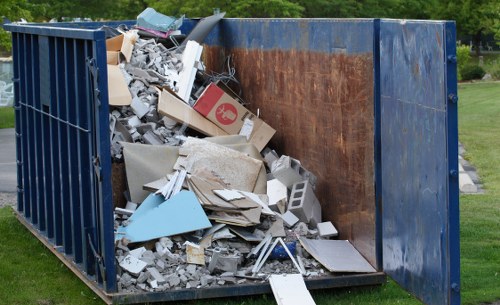 At Commercial Waste Surbiton we are committed to creating an eco-friendly waste disposal area that supports local businesses and the wider community. Our focus is practical, measurable and aligned with the borough's approach to waste separation: kerbside food waste, dry mixed recycling and residual collections are supported by clear signage and consistent sorting at transfer points. We work alongside businesses to ensure that mixed commercial recycling is kept separate from food waste and hazardous streams and is directed toward reuse and recovery whenever possible.
Our sustainability philosophy emphasises reducing landfill, improving recycling rates and supporting a circular economy across Surbiton and neighbouring boroughs. We combine operational improvements with education for tenants and site users to ensure recyclable streams such as paper, card, glass, cans, textiles and electronic waste are captured efficiently. Surbiton commercial waste initiatives also encourage on-site segregation for bulky items and organics to minimise contamination and maximise value.
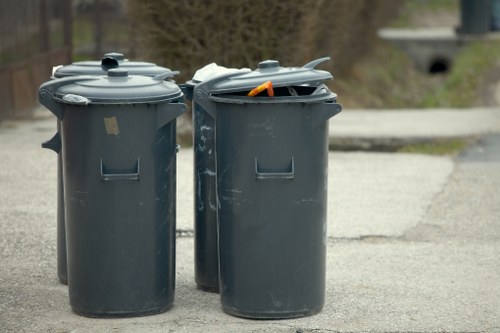 To give this strategy a clear target, we have set a recycling percentage target of 65% of all collected commercial waste by 2030. This target is ambitious but realistic for a suburban high-street and light-industrial mix like Surbiton when combined with waste prevention measures and increased reuse partnerships. Key actions to reach this target include improved source segregation, better containerisation for dry recycling, and route optimisation to reduce residual waste volumes.
Local Transfer Stations and Low-Carbon Logistics
We operate in close coordination with local transfer stations to maintain an efficient and low-impact collection network. Typical transfer hubs include borough transfer stations in nearby Kingston and Tolworth, which enable rapid consolidation of segregated loads. These facilities help keep recyclable materials uncontaminated and accelerate processing at material recovery facilities, improving the overall quality of the recycling stream.
 Our vehicle fleet is being modernised to include low-carbon vans and electric or hybrid alternatives to diesel vehicles. Where full electrification is not yet possible, we deploy Euro 6-compliant low-emission vans and invest in telematics and route planning to cut idling time and fuel consumption. The switch to greener vehicles reduces the carbon footprint of each tonne of waste moved and makes our commercial rubbish area operations demonstrably cleaner.
We also schedule off-peak transfer runs to minimise road congestion and emissions within Surbiton town centre, and coordinate shared collections where appropriate so small businesses can benefit from a consolidated collection model that lowers costs and carbon output.
Partnerships, Reuse and Community Collaboration
 A cornerstone of our sustainable rubbish area approach is partnership. We work with local charities and community organisations to divert useful items from the waste stream and extend product lifecycles: furniture reuse groups, textile charities, and community repair cafés are regular partners in our reuse pipeline. These partnerships reduce disposal costs and contribute to social value by supporting local initiatives that redistribute goods to those in need.
Our formal agreements include transfer protocols for reusable items and scheduled charity pickups from commercial sites, with clear guidelines on acceptable condition and separation. The result is a strong reuse channel for items such as office furniture, non-commercial appliances and surplus fixtures, helping the borough meet broader sustainable consumption goals while supporting charitable causes.
 Services and commitments include:
- Dedicated recycling bays in multi-tenant units to improve segregation
- Scheduled bulky and textile collections in cooperation with charity partners
- Low-carbon vehicle routes and consolidated lifts for small traders
- On-site training for staff and cleaners to reduce contamination
- Transparent reporting on diversion rates and emissions per collection
To align with the borough approach to waste separation, we encourage businesses to adopt split-stream systems: separate containers for glass, cans and plastics; a dedicated paper and card stream; and food waste containers where kitchens or food service are present. This is complemented by temporary segregated drops for e-waste and batteries, and special handling for hazardous or construction-related waste. By streamlining these systems, commercial recycling Surbiton becomes easier and more cost-effective for all parties.
Monitoring and continuous improvement are integral to our strategy. We use diversion audits, contamination checks and quarterly performance reviews to ensure our sustainable rubbish area standards are met. Results feed into route adjustments and resource allocation so that high-performing sites can be rolled out as models across the borough, and underperforming locations receive targeted support.
Finally, we publish anonymised performance summaries and case studies (internal use only) that show how switching to segregated collections and low-carbon vehicles materially improves recycling rates and reduces greenhouse gas emissions. This evidence base supports local planning decisions and helps businesses see the return on investing in better waste segregation and reuse partnerships.
In short, our approach to an eco-friendly waste disposal area in Surbiton combines clear recycling targets, effective use of local transfer stations, collaborative charity partnerships and a transition to low-carbon vans. Together these measures make the commercial rubbish area not just compliant with borough expectations but demonstrably sustainable and community-minded.
By committing to a 65% recycling target, working with transfer hubs, supporting reuse charities and modernising vehicles, we deliver a practical plan that helps businesses reduce costs, lower emissions and support local social value. We invite commercial operators to join a collective effort to make Surbiton a model of suburban commercial recycling and sustainable waste management.
